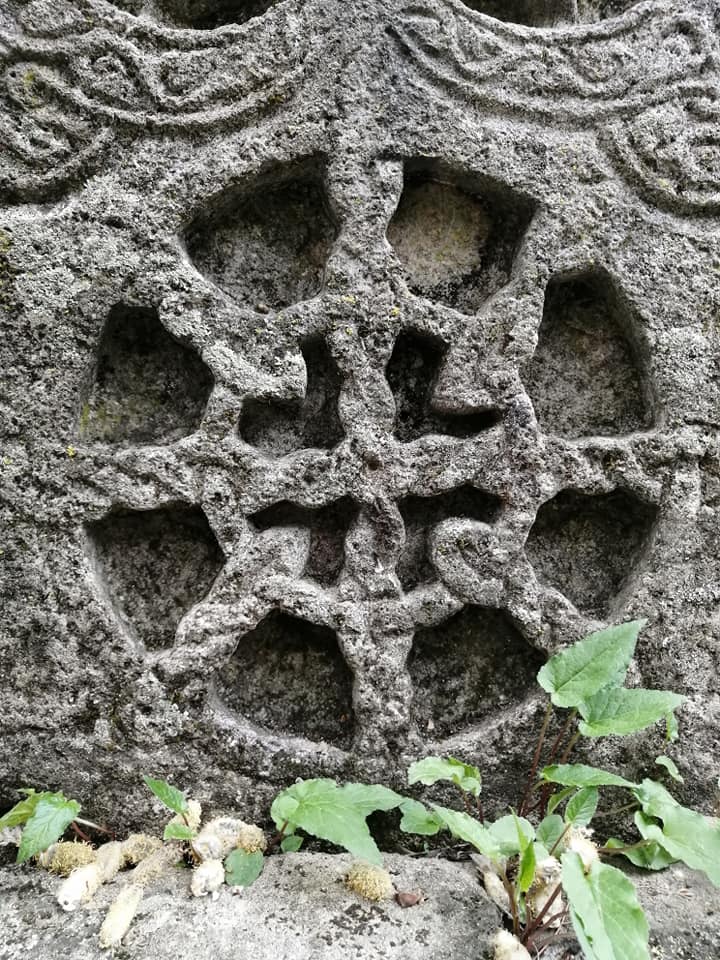
April in Jukhtakvank. In the dense forests of Dilijan this small monastery, beautiful in its modesty and simplicity, is hidden.
The name comes from the word “jhukht” which means “couple”, since the complex includes two buildings: Surb Astvatsatsin and Surb Grigor churches.
On the walls of Surb Astvatsatsin, there are chronicle inscriptions from which it follows that this church was built in 1201 by the efforts of the priest Ayrapet and the master Sarkis, and Surb Grigor already existed by that time.
The ninth photo shows traces of a recently performed of matagh (sacrifice).
Author: Ell Ka Translation Art-A-Tsolum
From weighed silver and Achaemenid-era imports to the kings of Sophene, the coins of Tigranes…
Military history series · Armenian Highland, 4th millennium BCE – 18th century CE Introduction: why…
How the 2026 Armenian-Italian field season at the Shamiram fortress and necropolis in Aragatsotn adds…
On October 1, 2026, an armed Azerbaijani soldier entered a family home in Syunik, Armenia.…
A 19th-century Baluch rug beside a 13th-century khachkar from Hovhannavank: a shared design logic, and…
A portrait from the Armenian highlands Two women stand before a painted studio backdrop of…