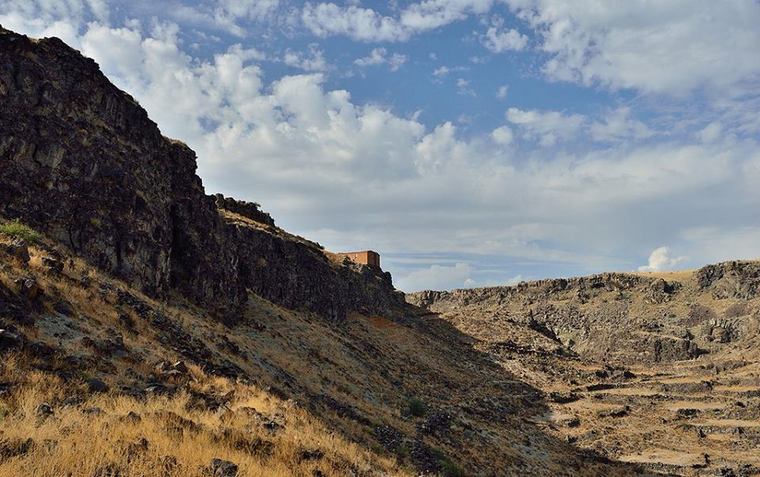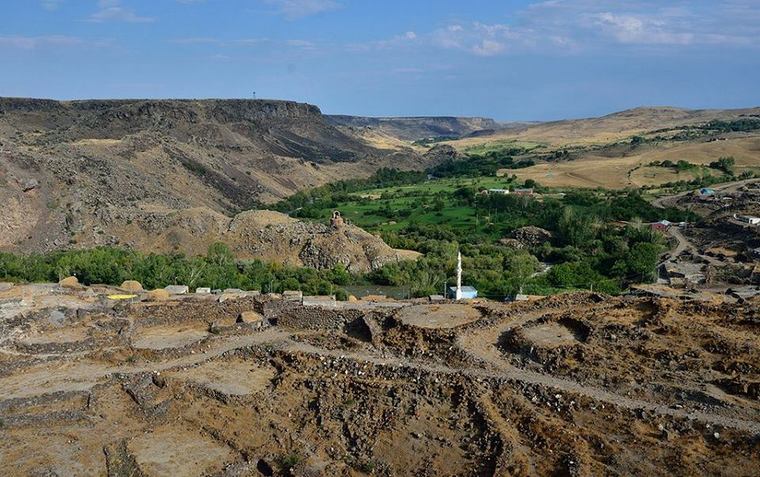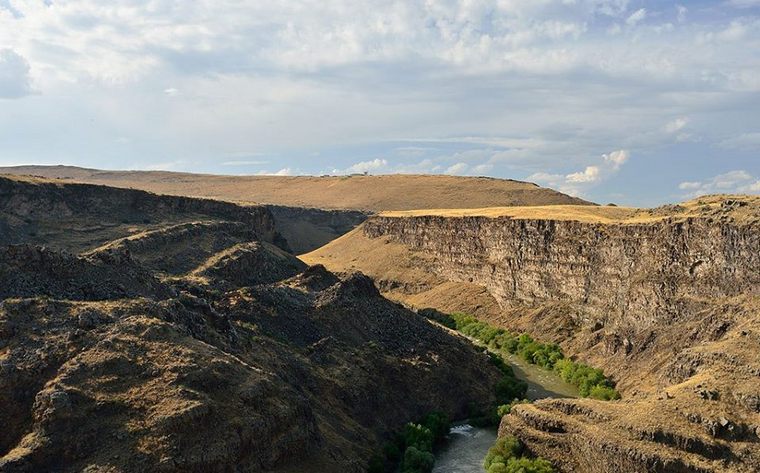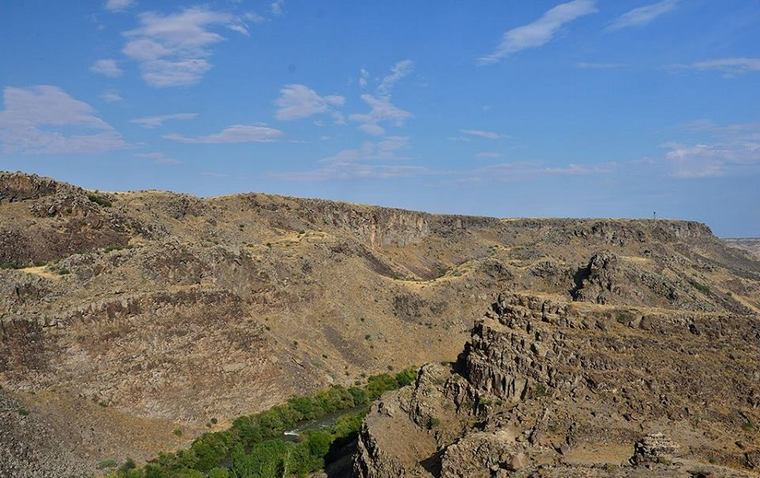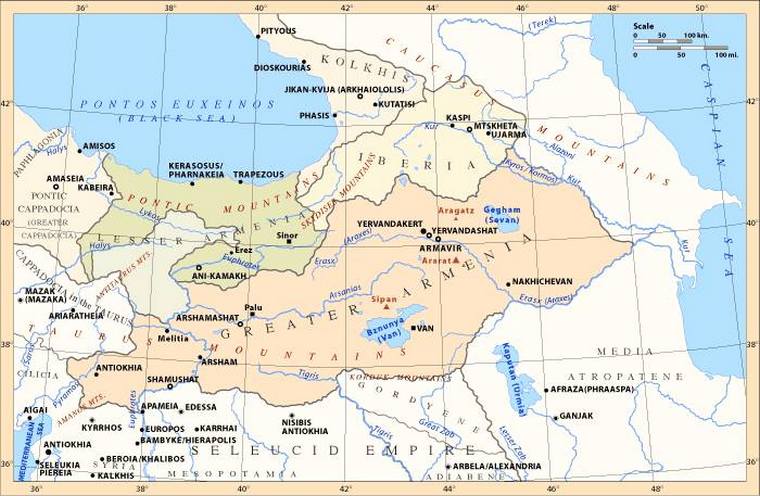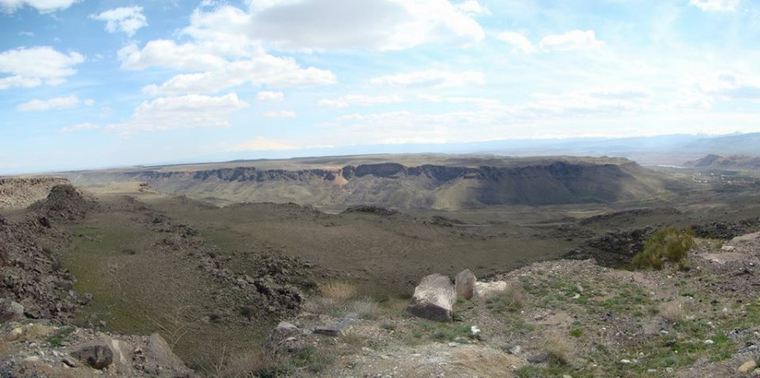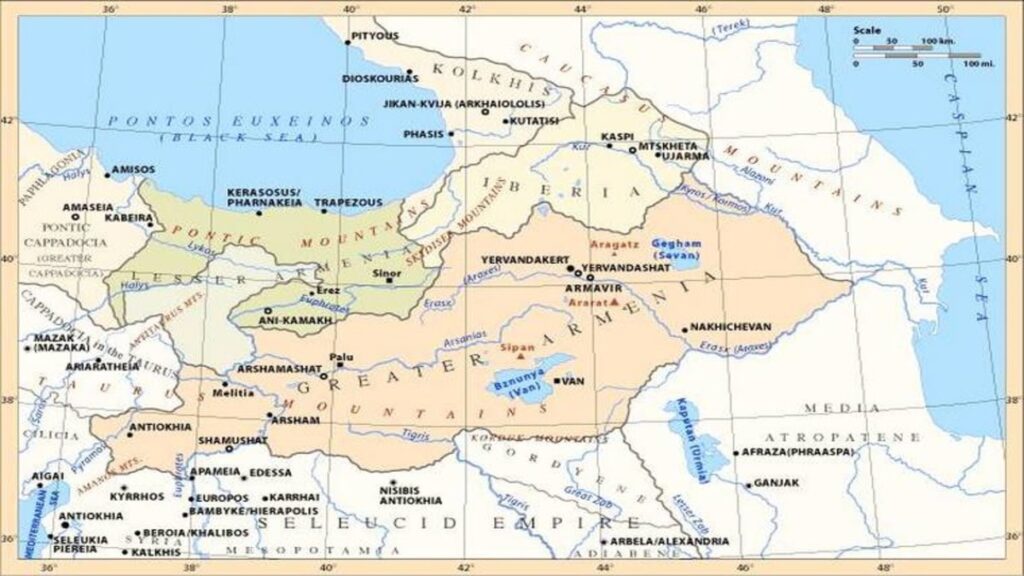
Bagaran – Բագարան, literally meaning “abode of gods” – is a historical city in the Ayrarat region of Greater Armenia, one of the 13 capitals of Armenia. It was located on the right bank of the Akhuryan River at its confluence with the Arax.
According to Movses Khorenatsi, the city was built by the last representative of the Yervanduni – Yervand (Orontes) IV at the beginning of the 2nd century BC.
The altars of the pagan gods of the ancient Armenian pantheon were moved from Armavir to Bagaran. Yervand appointed his brother Ervaz as the chief priest of the new temple in Bagaran, after which the city became the largest religious and cultural center of Yervanduni’s Armenia and the burial place of the high priests.
In the times of the Artashesids, the images of pagan gods from Bagaran were transferred to the new capital – Artashat.
However, Bagaran remained a major and important religious center until the adoption of Christianity as the state religion in 301, after which the city declined. From this point until the 9th century, Bagaran was rarely mentioned in sources.
Bagaran experienced its second heyday in the second half of the 9th century when it briefly became the capital of the Bagratid tsardom.
In 804, Ashot Bagratuni, having received the title of King of Armenia, founded his residence in Bagaran, after which the city during the 9th century was the administrative center of the Bagratid kingdom and the place of their ancestral tomb. After the capital became Ani, Bagaran turned into a trading hub on the way from Ani to the west.
In 1048, Bagaran was destroyed by the Seljuk Turks, at the beginning of the 12th century it was conquered by the Shaharmen. In 1211, it was liberated by the Zakaryan brothers, and in 1394 it was finally destroyed by the Mongol troops of Tamerlane.
After this, Bagaran lost its significance, until 1915 it remained a small settlement with an Armenian population. Nevertheless, the areas adjacent to the Akhuryan River canyon were densely populated by Armenians.
As a result of the 1915 genocide and the events of 1918-1920, when the Bolsheviks handed over significant territories to the Turks, all 350 residents of Bagaran were forced to cross the Akhuryan River to the territory of modern Armenia. Now Kurds live here. Their village of Kilittashi is partially located on the ruins of the ancient city.
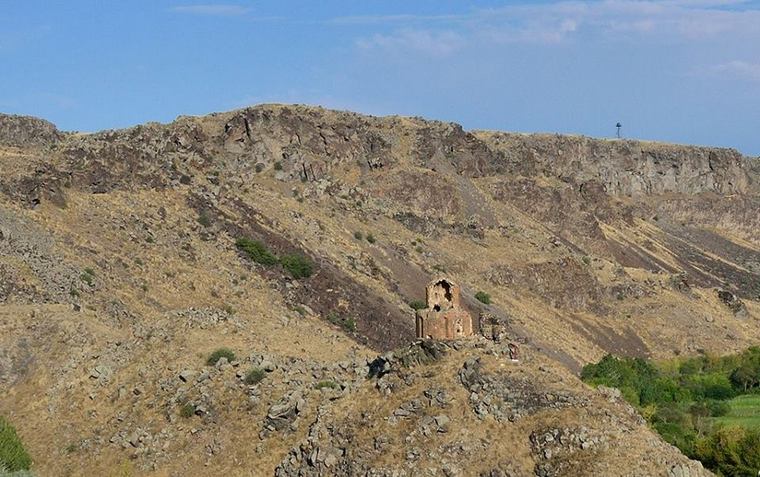
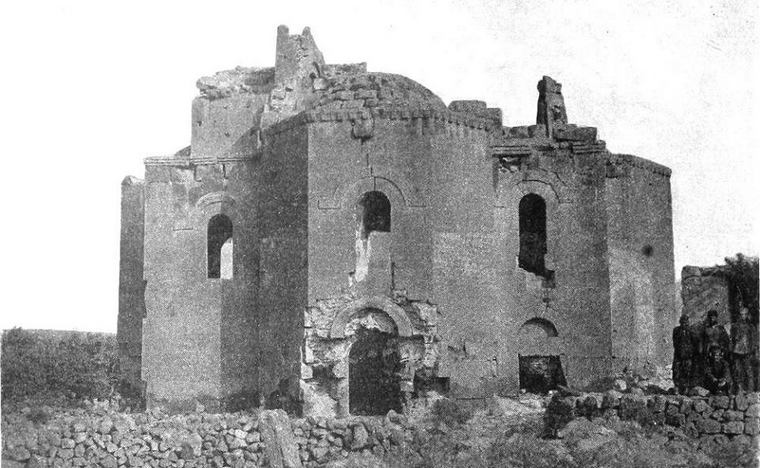
Only a few buildings have survived to this day, among them is the Church of St. Theodoros, located on the southern outskirts of the city, built, according to the inscription, in 624-631 by the order of Ishkhan Buda Aravegyan and his wife Anna.
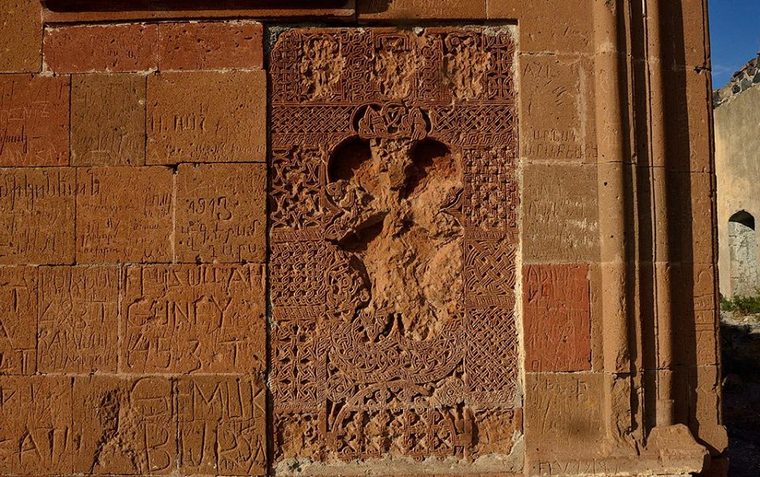
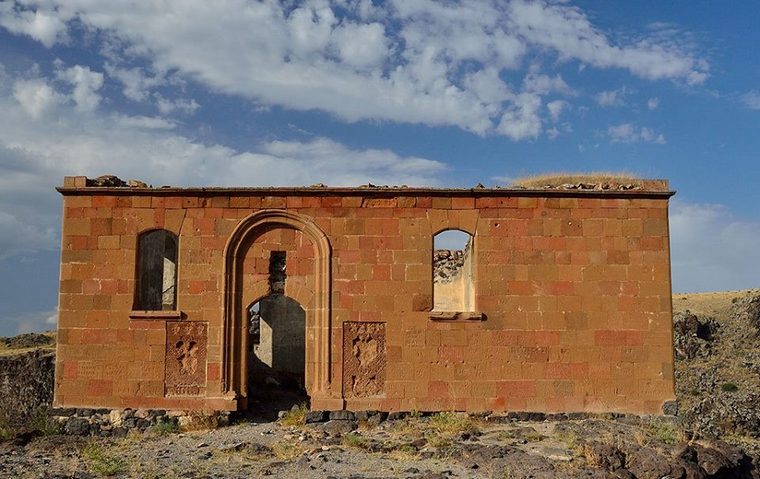
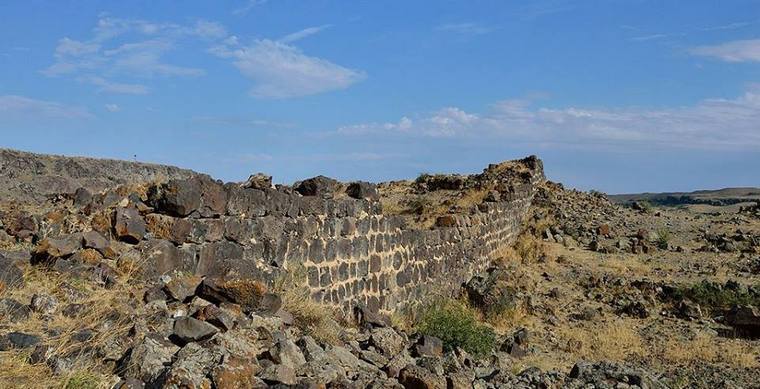
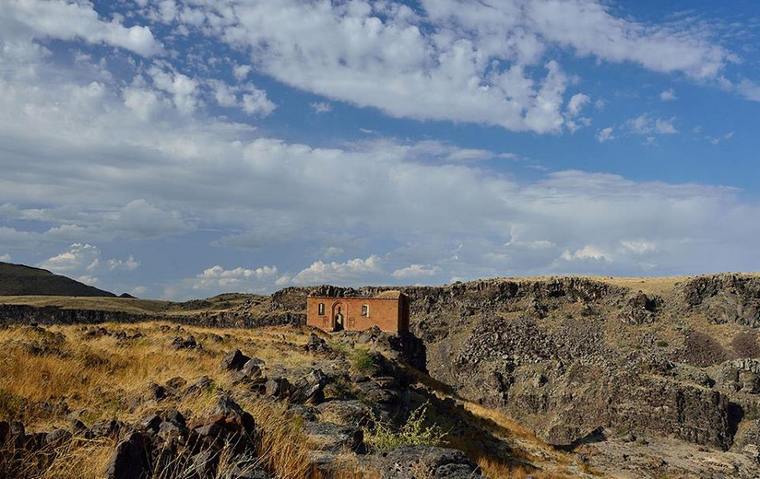
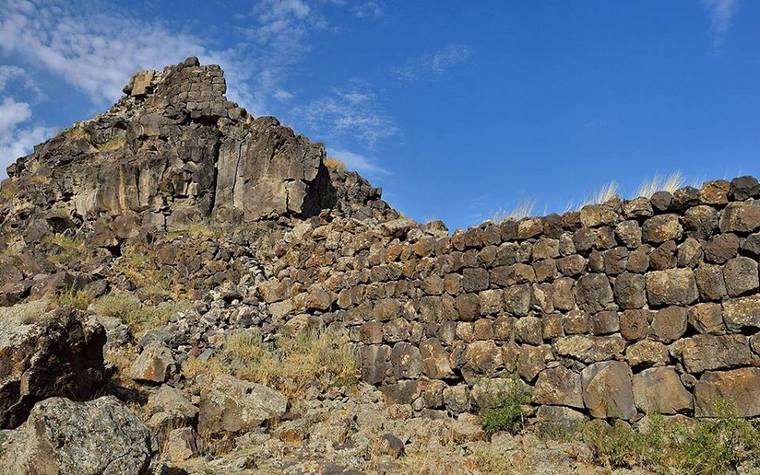
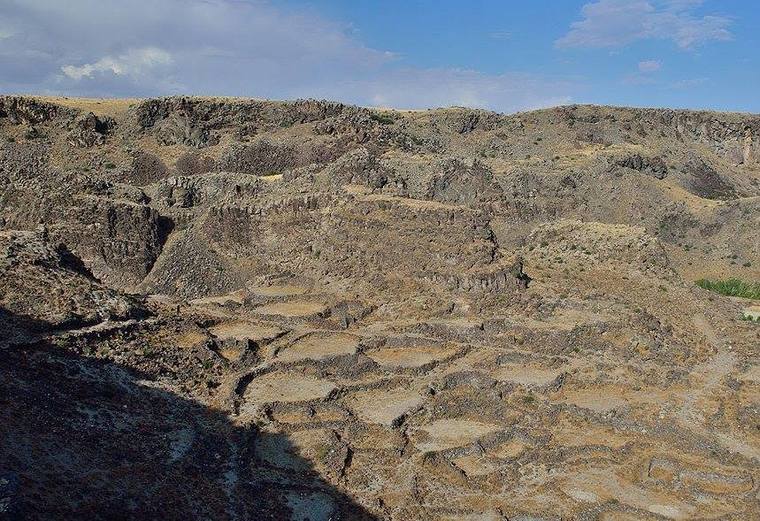
There are also two other churches – St. George and St. Shushanik, the walls of these churches have preserved Armenian inscriptions from the IX-XII centuries. In addition, the ruins of a fortress, traces of residential buildings, and a cemetery have been preserved. Bagaran is the burial site of the founder of the Bagratid dynasty – Ashot I.
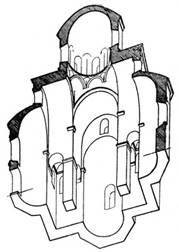
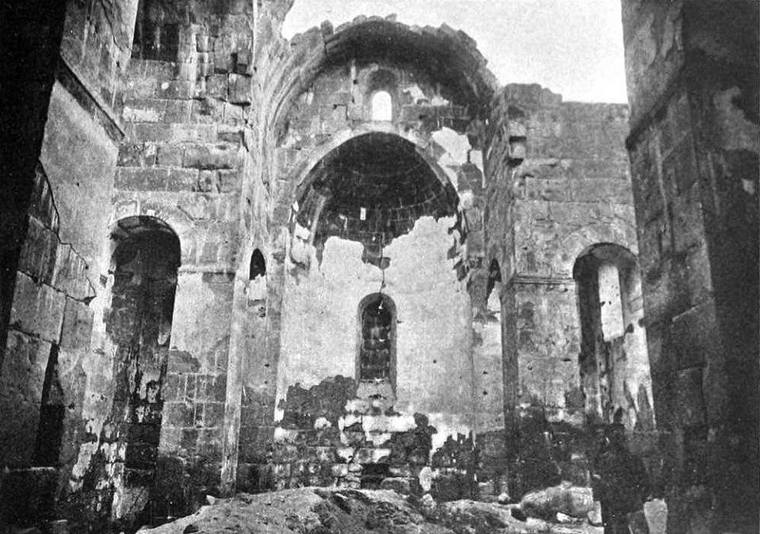
The CHURCH OF ST. THEODOROS in Bagaran – according to a single-line construction inscription, which in the form of a belt covered the upper edges of the walls, it was founded in 624 (“in the thirty-fourth year of King Khosrov” – Iranian Shah Khosrov II Parviz is meant) by Prince Bute Aravegyan, its construction was completed in 631 by the widow of the prince, Anna.
The restoration of the Echmiadzin Cathedral that took place at this time was reflected in the choice of the architectural composition of the church of St. Theodoros.
The basis of its composition is also a cross, and, as in Echmiadzin, the dome rests on four supports of square section. However, here these supports are brought closer to the walls, connecting with them with low arches.
Overall, the Bagaran Church is not a repetition of the compositions of the Echmiadzin Cathedral or the Mastara Church, but it stands out as an independent and unique type of cult structure. This great artistic achievement of Armenian builders subsequently went beyond the borders of the country and spread through Byzantium to Europe.
Its composition and early dating served as the basis for the widespread opinion of Western European scholars (J. Strzygowski, G. Dimitrokallis, A. Zaryan and others.) about the influence of the architecture of this church on the formation of similar ones in Byzantium and Western Europe, i.e. the temple in Bagaran served as a prototype for the Nea Church (868-886) in Constantinople, churches of Greek monasteries on Mount Athos (10th-11th centuries), the Jermigny de Pré temple (806) in Orléans (France), San Satiro (868-881) in Milan (Italy) and others.
The CHURCH OF ST. SHUSHANIK – this small temple belongs to a group of similar constructions of the Ani school of architecture. Presumably it was erected by Ashot Bagratuni immediately after his ascension to the throne in 914. According to the Kurds living here, the damage to the church was caused by the fact that the Turks, as in Ani, shelled the church from tanks somewhere in the 1950s.
The CHURCH OF ST. GEORGE of the 10th century – its form is not quite typical for Armenian churches, on the sides of the door in the church wall there are two khachkars.
by Alexander Bakulin part of the photo – Alexei Koimshidi.
Translated by Vigen Avetisyan