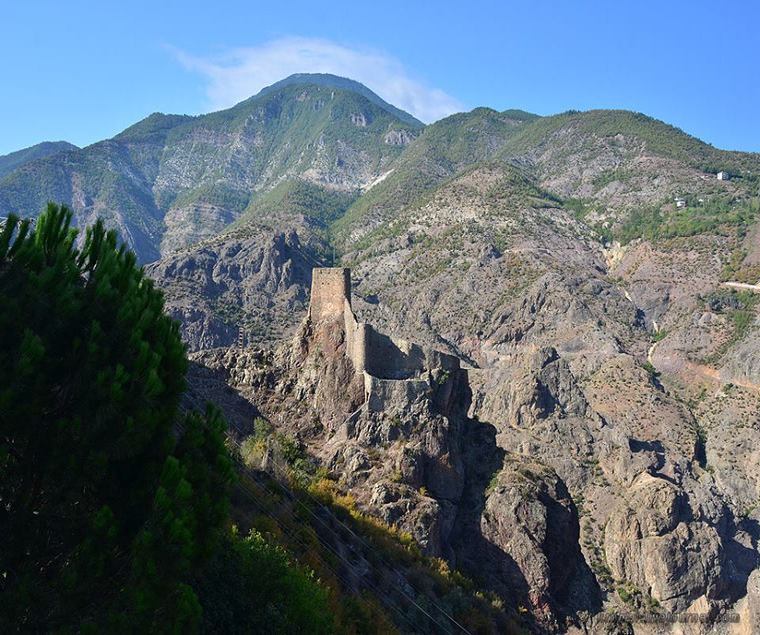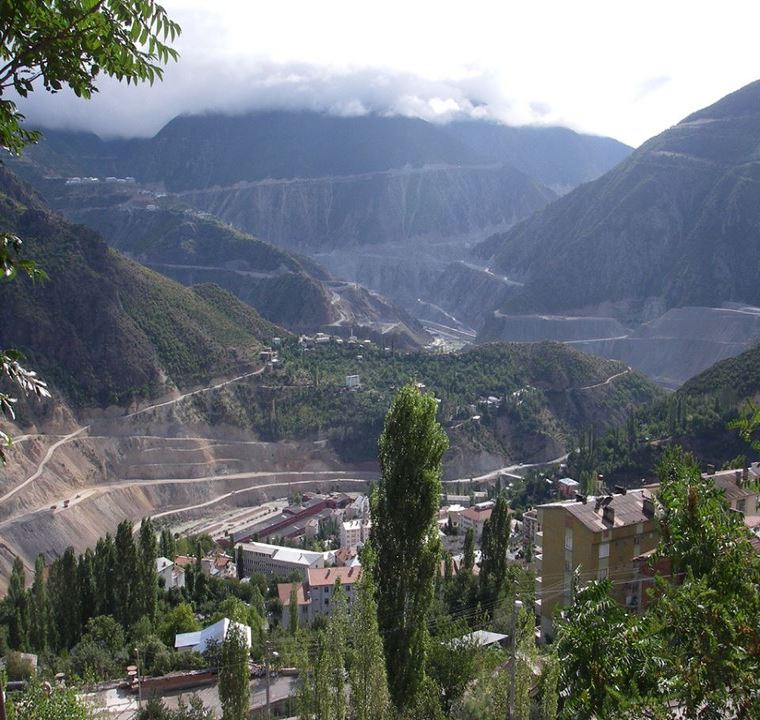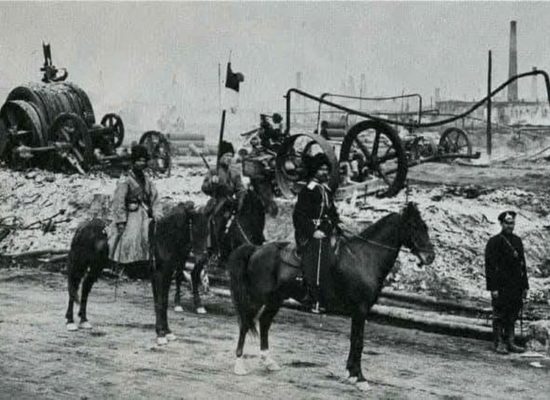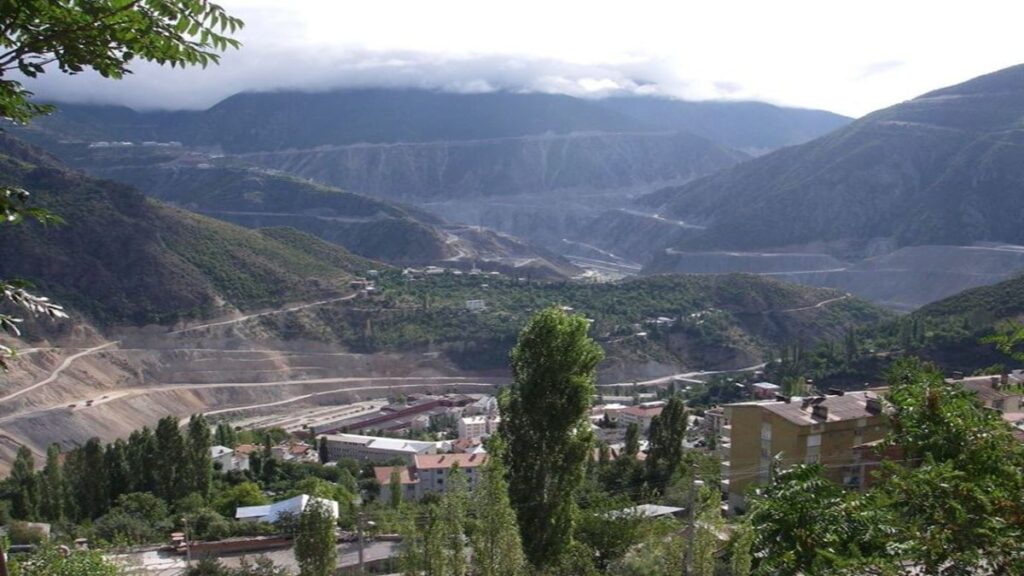
Artvin, like much of Transcaucasia, fell under the control of the Ottoman Empire in the first half of the 17th century. Following the Russo-Turkish war of 1877-1878, Artvin was annexed to the Russian Empire and became part of the newly formed Batumi region.
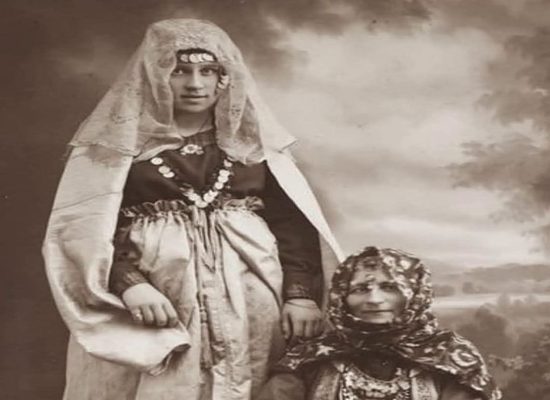
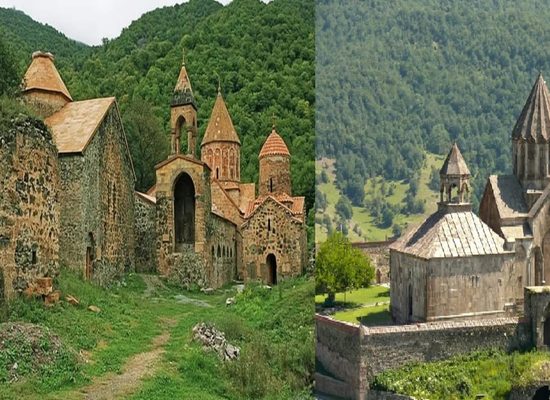
Before the Armenian Genocide, the area was predominantly Armenian, with 11 Armenian churches in operation.
With the outbreak of World War I in 1914, Turkey captured parts of the Batumi and Kars regions. Under the pretext of military operations, a mass extermination of Armenians began in Artvin and the surrounding areas like Ardagan and Ardanuch.
A German journalist who witnessed these atrocities remarked on the brutality of the Turks, saying, “You must see this… how cruel their actions were. Damn them… They have nothing to do with Muslims or Christians or anyone else!” It is estimated that around seven thousand Armenians were killed in the Artvin and Ardanuch regions alone.
Many leaders of the special units responsible for the massacres later played significant roles in the Turkish War of Independence.
After the Treaty of Brest-Litovsk was signed in March 1918 between the Bolsheviks, Germany, and its allies, including Turkey, Artvin was once again occupied by Turkish forces, albeit only for a few months. From late 1918 to March 1921, the city was under the control of the Democratic Republic of Georgia.
However, in March 1921, following the Sovietization of Georgia and the subsequent occupation of part of the Georgian Democratic Republic by Turkish troops under Kazym Karabekir, Artvin came under Turkish control once again.
The Moscow and Kars treaties, concluded by Bolshevik Russia and Turkey in 1921, formalized the transfer of this territory to Turkey.
Vigen Avetisyan